
 Skip to content
 When was the last time you thought about your air ducts? If you’re like most homeowners, the answer is probably never — or only when something went wrong. Yet the ductwork running through your walls and ceilings is silently cycling air through your home dozens of times every day. Whatever is inside those ducts goes straight into the air your family breathes.
Dirty air ducts are one of the most overlooked causes of rising energy bills, persistent allergies, and poor indoor air quality in homes across Wilmington, NC and the surrounding coastal communities. This guide breaks down exactly what contaminated ducts do to your health and your wallet — and what you can do about it.
Your HVAC system pulls air from every room in your home, conditions it, and pushes it back out through the duct network. Every particle floating in that air — dust, pet dander, pollen, mold spores, bacteria, dead skin cells, insect debris, and construction particles — gets deposited on the inner walls of your ductwork over time.
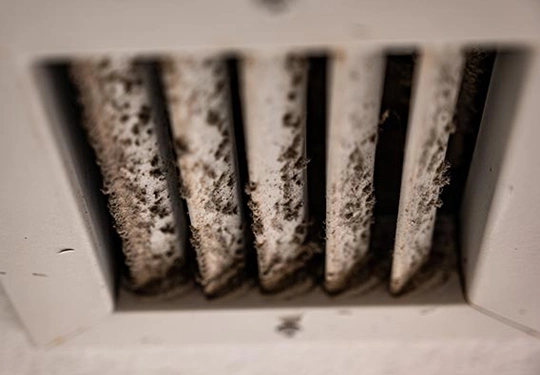
In coastal North Carolina, this problem is amplified by humidity. Communities like Wrightsville Beach, Carolina Beach, Topsail, and Surf City experience high ambient moisture for much of the year. That moisture seeps into ductwork and creates the ideal conditions for mold and mildew colonies to take hold and grow — colonies that then release spores directly into your breathing air every time the HVAC runs.
Over months and years, this accumulation thickens, restricts airflow, and turns your air system from a comfort tool into an allergen delivery network.
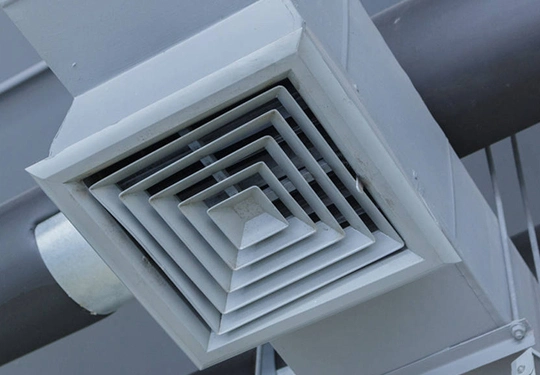
This is not just about a little extra dust. Contaminated ductwork poses real, documented health risks — especially for children, elderly family members, and anyone living with asthma, allergies, or a compromised immune system.
Worsened allergies. Pollen, pet dander, and dust mites circulate continuously through dirty ducts, triggering sneezing, a runny nose, watery eyes, and sinus congestion — even when you’re indoors trying to avoid outdoor allergens.
Respiratory problems. Mold spores and fine airborne particulates inflame airways. For asthma and COPD sufferers, this can mean more frequent flare-ups, increased medication use, and more emergencies.
Fatigue and brain fog. Poor indoor air quality reduces the efficiency of oxygen exchange in your lungs, leaving household members feeling chronically tired, mentally foggy, and unable to concentrate — symptoms that are easy to misattribute to stress or poor sleep.
Frequent illness. Bacteria and viruses that settle inside ductwork can re-enter the airstream and spread throughout the home. Households with dirty ducts often see more frequent respiratory infections, colds, and sinus issues.
Mold exposure. Active mold growth inside ductwork is a serious health hazard. Prolonged mold exposure has been linked to chronic inflammation, neurological symptoms, and, in severe cases, long-term respiratory damage. In coastal NC homes, this risk is higher than most residents realize.
Skin and eye irritation. Microscopic particulates and volatile organic compounds (VOCs) from contaminated ducts can irritate the eyes, skin, and mucous membranes — causing symptoms that are often written off as seasonal sensitivities.
A key red flag for coastal homeowners: if your home smells musty when the AC or heat kicks on, that odor is almost certainly coming from mold or bacteria inside your duct system. Don’t ignore it.
Beyond the health impact, dirty ductwork hits you financially every single month through your utility bill.
Here’s the mechanics: your HVAC system is engineered to move a precise volume of air per hour. When the interior of your ducts is coated with layers of dust, debris, and biological buildup, that airflow is restricted. Your system has to run longer cycles and work harder just to reach the thermostat setting you’ve dialed in. That extra effort costs real money.
The U.S. Department of Energy estimates that 25 to 40 percent of energy used for heating and cooling is wasted due to inefficiency. Restricted, debris-clogged ductwork is one of the biggest contributors to that waste. For a household paying $200 per month in cooling costs during a Carolina summer, dirty ducts could be costing an extra $40 to $60 every month — that’s potentially $500 to $700 per year thrown away on avoidable energy waste.
The financial damage doesn’t stop at your utility bill. When your HVAC system is constantly straining against poor airflow, mechanical wear accelerates. Filters clog faster. Fan motors burn out earlier. Evaporator coils ice over more frequently. What starts as a maintenance problem becomes a $3,000 to $8,000 HVAC replacement. Professional duct cleaning is genuinely one of the highest return-on-investment home maintenance services available.
You don’t need a technician to spot the early warning signs. Look and listen for these:
If you’re experiencing two or more of these signs, it’s time to schedule a professional inspection.
Many homeowners aren’t sure what a professional cleaning actually entails — or whether it’s genuinely different from a DIY approach. It is, significantly.
A properly performed professional cleaning uses commercial-grade equipment and follows a thorough process that includes a full system inspection before work begins, identifying any blockages, mold, pest activity, or damaged sections. Industrial HEPA vacuum equipment then creates negative pressure throughout the duct network, so that loosened debris is pulled out of the system rather than pushed back into your living space. Rotary brush agitation scrubs the interior walls to dislodge compacted buildup that suction alone cannot remove. All supply and return registers are removed, cleaned individually, and reinstalled. If mold is present, EPA-registered antimicrobial treatments are applied to inhibit future biological growth. A thorough cleaning of an average-sized home takes two to four hours. Any company quoting a whole-home cleaning in under an hour is cutting corners.
While air duct cleaning protects your health and reduces energy costs, dryer vent cleaning is a direct fire safety issue. The U.S. Fire Administration reports approximately 2,900 home dryer fires per year in the United States, with clogged, lint-packed vents as the leading cause.
In homes along Oak Island, Hampstead, Leland, and throughout the Wilmington area, dryers run year-round — and lint accumulates faster than most homeowners expect. Signs you need dryer vent cleaning include clothes taking more than one cycle to fully dry, the dryer running unusually hot, or a burning smell during operation. Annual dryer vent cleaning is the standard recommendation for every home.
For most homes, every three to five years is the general guideline. However, coastal properties in Wilmington, Wrightsville Beach, Carolina Beach, Southport, Surf City, and the surrounding barrier island communities should lean toward every two to three years, given the elevated humidity levels. Homes with pets, smokers, or residents with asthma and allergies should also clean on the shorter end of that range. Any home that has experienced flooding, storm damage, or major renovation work should schedule an inspection immediately, regardless of the last cleaning date.
If you’re in Wilmington, Wrightsville Beach, Carolina Beach, Southport, Leland, Hampstead, Surf City, Topsail, Oak Island, or Jacksonville, NC — Farriss Cleaning Company is your local expert for air duct cleaning, dryer vent cleaning, carpet cleaning, upholstery cleaning, tile and grout cleaning, house cleaning, commercial cleaning, move-in/move-out cleaning, area rug cleaning, and water damage restoration. For professional air duct or dryer vent cleaning, contact Farriss Cleaning Company at (910) 350-1521.
Don’t wait until your energy bills spike or a family member’s health suffers. Clean ducts mean cleaner air, lower bills, and a longer life for your HVAC system.
Yes. The EPA consistently ranks indoor air pollution among the top environmental health risks. Contaminated ducts continuously circulate mold spores, bacteria, allergens, and VOCs through your home. Symptoms commonly linked to poor duct air quality include persistent coughing, sinus infections, headaches, fatigue, and worsening asthma. Children, the elderly, and immunocompromised individuals face the greatest risk.
Studies and DOE data suggest inefficient HVAC systems — including those hampered by dirty ductwork — can waste 25 to 40 percent of your heating and cooling energy. For a typical coastal NC household, that can mean hundreds of dollars wasted annually on energy costs that a professional cleaning could eliminate.
Yes, when done by a qualified professional using proper equipment. The combined savings from improved energy efficiency and avoided HVAC repairs typically exceed the cost of service within the first year alone.
The most reliable indicator is a musty or earthy smell that appears or intensifies when the HVAC runs. You may also notice visible dark patches near registers, increased indoor allergy symptoms, or a persistent stuffiness that doesn't improve with fresh air. In coastal NC's humid climate, mold in ductwork is more common than most people expect.
Air duct cleaning addresses the ductwork connected to your HVAC system — the network that distributes heated and cooled air through your home. Dryer vent cleaning specifically clears the exhaust duct from your clothes dryer to the exterior of the home. Both are important maintenance services, but dryer vent cleaning carries an added urgency because lint buildup is the leading cause of home dryer fires.
It's generally recommended that an adult be present at the start of service to allow full access and to discuss any findings with the technician. Contact Farriss Cleaning Company to work out the best scheduling arrangement for your situation.
We specialize in professional air duct and cleaning services across North Carolina, enhancing indoor air quality, HVAC efficiency, and cleanliness for residential and commercial clients.
Quick Links
WhatsApp us
 Optimized by Seraphinite Accelerator
